

Chelation Therapy
For documented heavy metal exposure, confirmed by testing before anything is infused.
8000 per session • Testing and Assessment required
BOOK AN ASSESSMENTIntegra Essenza offers chelation therapy for documented heavy metal exposure, confirmed by laboratory testing before treatment begins. It is not offered for cardiovascular indications. In 2024 the TACT2 randomized trial, published in JAMA, found EDTA chelation produced no reduction in cardiovascular events compared with placebo. ₱8,000 per session, physician-supervised, in-clinic.
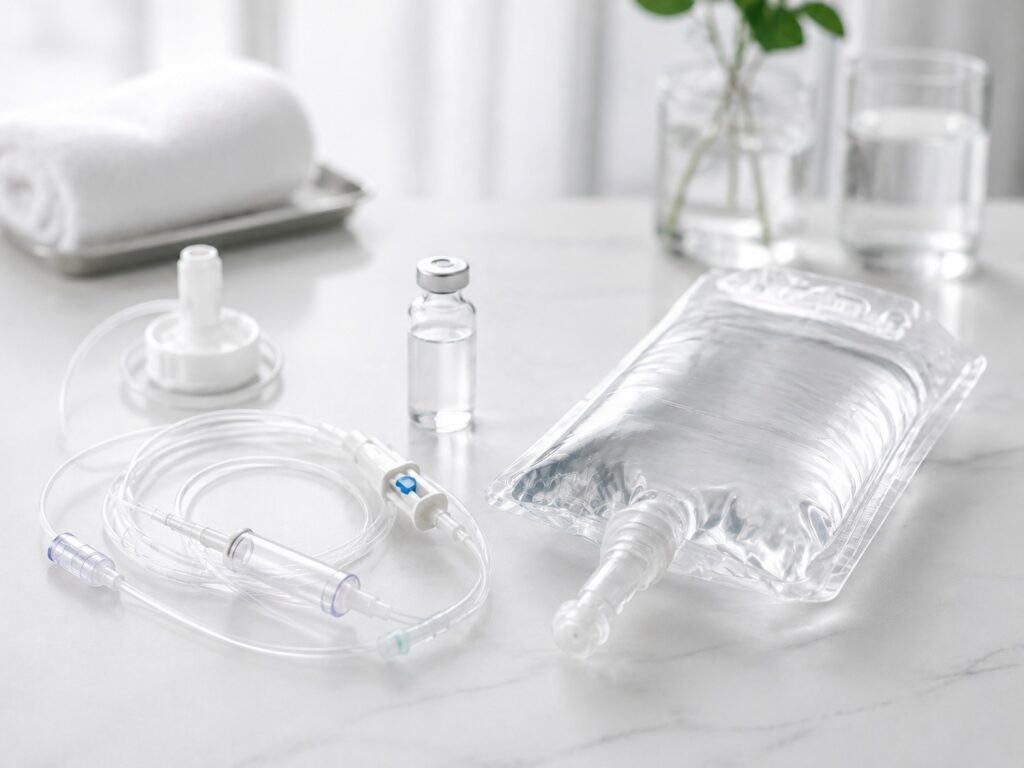
Chelation therapy uses an agent that binds certain metals so they can be excreted. For confirmed heavy metal exposure, particularly lead, it’s an established clinical treatment.
On chelation for heart disease. You’ll find it offered for reducing arterial plaque and improving cardiovascular health. That idea came from a 2012 trial called TACT, which reported a modest reduction in cardiovascular events. The finding was unexpected enough that the NIH funded a second trial to confirm it.
TACT2 published in JAMA in August 2024. A thousand patients, all post-heart attack with diabetes, randomized to 40 weekly EDTA infusions or placebo. Blood lead fell by more than 60%, so the chelation worked as chelation. Cardiovascular events occurred in 35.6% of the chelation group and 35.7% of the placebo group.
We’ve put the trial on the page rather than quietly leaving the indication off the list, because if you’ve been told chelation is good for your heart, it’s worth knowing where that came from and what happened next.
What we do offer it for is documented heavy metal exposure, confirmed by testing, where a physician judges treatment appropriate. Testing comes first, and we don’t chelate on the basis of a symptom questionnaire.
1. Assessment and history. Consultation covering occupational and environmental exposure history, current labs, and full medication list.
2. Testing. Laboratory confirmation of heavy metal levels before any treatment decision. If levels don’t support treatment, we don’t treat, and you’re told why in writing.
3. A protocol, if indicated. Agent, dose, rate and number of sessions set by the physician, with renal function checked before and monitored during.
4. Sessions with monitoring. In-clinic, physician-supervised, with periodic retesting.
| Component | Category |
|---|---|
| Chelating agent | Selected and dosed by the treating physician |
| Balanced fluid base | Dilution and hydration |
| Electrolytes | Monitored and supplemented as required |
Agent selection, dose and infusion rate are clinical decisions made per patient. We don’t publish protocol detail, because a chelation protocol isn’t something a patient should be selecting from a page.
Chelation carries more risk which is why testing and screening come first. Chelating agents bind essential minerals as well as the target metals, so calcium and other electrolytes are monitored during a course. The kidneys clear what’s mobilized, so renal function is checked before and monitored throughout. Infusion rate matters, which is one reason this is done in-clinic and not quickly.
Commonly reported during sessions: cannula-site irritation, a drop in blood pressure, headache and fatigue. Tell us immediately if anything changes during an infusion.
₱8,000 per session. Session length varies by protocol. Testing costs are separate and quoted before you commit. Includes physician supervision, preparation, administration, and monitoring during and after.
For confirmed heavy metal poisoning, chelation is established treatment and the evidence isn’t in question.
For the other uses it’s offered for, the picture is different. TACT2 addressed the cardiovascular question in 2024. There isn’t good evidence supporting chelation as a general detoxification service, and we’d suggest asking for testing before starting a course anywhere.
Click here if you’re arranging this for someone else
In 2024 a 1,000-patient randomized trial published in JAMA found no reduction in cardiovascular events compared with placebo, despite the chelation successfully lowering blood lead.
No. We treat documented heavy metal exposure confirmed by testing.
Chelating agents bind essential minerals as well as target metals, so electrolytes are monitored during a course, and renal function is checked before and throughout. Blood pressure drops, headache and fatigue are reported during sessions.
Laboratory testing for the specific metals in question, plus renal function. The physician decides the panel based on your exposure history.
Then we don’t treat, and you’ll have written findings explaining what was tested and what was found.
It’s a clinical procedure with real risks, which is why it’s done in-clinic under physician supervision with monitoring, and why testing comes first. We won’t describe any procedure as simply safe.
That’s what the assessment answers, and for many people the answer will be no.
Set by protocol against test results and reviewed with retesting. Not sold as a fixed package before testing.